
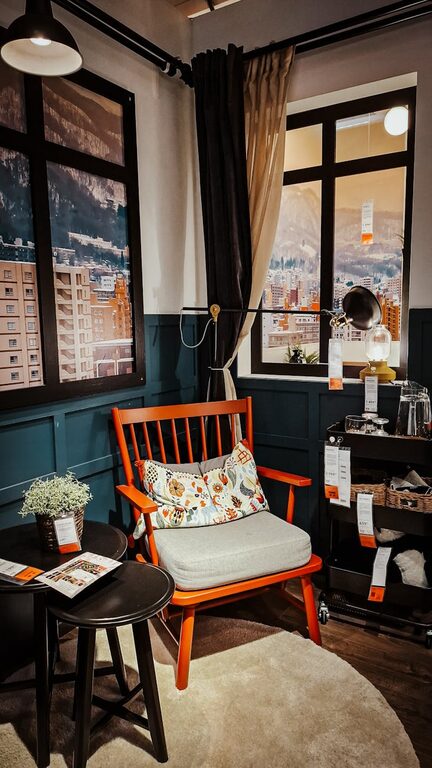
Creating comfortable lighting in your home is essential for both functionality and mood. The right lighting not only enhances the aesthetic appeal of your space but also supports daily activities and promotes relaxation. If you’re planning to update your lighting or designing a new space, understanding how to choose comfortable home lighting can make a big difference. This guide will walk you through key tips and considerations so you can create a welcoming and well-lit environment.
Understanding Comfortable Lighting
Comfortable lighting means different things in different rooms and for different purposes. Generally, it’s lighting that:
– Provides enough brightness without causing glare or harsh shadows
– Has a color temperature that feels pleasant to the eyes
– Allows flexible control for various activities and mood settings
Balancing these elements helps avoid eye strain and creates a soothing atmosphere.
Key Factors to Consider When Choosing Home Lighting
1. Assess Your Space and Its Purpose
Start by thinking about how you use each room. Lighting needs in a kitchen will differ from those in a living room or bedroom.
– Kitchen: Bright, clear task lighting for cooking and food preparation.
– Living Room: Softer, layered lighting for relaxing and entertaining.
– Bedroom: Warm, dimmable lights to encourage winding down.
– Bathroom: Bright and even lighting around mirrors for grooming.
2. Select the Right Light Bulbs
The type of bulb can dramatically impact your lighting comfort.
– LED bulbs are energy efficient, long-lasting, and come in various color temperatures.
– Incandescent bulbs provide warm light but are less energy-efficient.
– Compact fluorescent lamps (CFLs) use less energy than incandescent but sometimes have a cooler tint.
Look for bulbs labeled with a color temperature around 2700K to 3000K for warm, cozy light. For task areas, cooler temperatures around 3500K to 4100K can be helpful.
3. Consider Lighting Layers
Using multiple layers of light in a room ensures balanced, comfortable illumination.
– Ambient lighting: General lighting that shines light evenly, such as ceiling fixtures or recessed lights.
– Task lighting: Focused light for specific activities, like desk lamps or under-cabinet lights.
– Accent lighting: Used to highlight artwork, plants, or architectural features, adding depth and character.
Combining these layers allows you to adjust lighting based on your needs and preferences.
4. Reduce Glare and Shadows
Glare and shadows can cause discomfort and eye strain.
– Choose fixtures with diffusers or frosted covers to soften the light.
– Position lights to avoid direct shine into your eyes.
– Use lampshades to direct the light where it’s needed.
– Avoid placing bright lights opposite screens or mirrors.
5. Opt for Adjustable and Dimmable Fixtures
Having control over the brightness lets you adapt lighting to different activities and times of day.
– Install dimmer switches that work with your bulbs.
– Use floor or table lamps with adjustable arms to direct light.
– Choose smart lighting options that can change brightness and color temperature via apps.
6. Pay Attention to Color Rendering
The color rendering index (CRI) measures a light source’s ability to show colors accurately.
Aim for a CRI of 80 or higher for home lighting, which ensures colors look natural and vibrant.
7. Match Your Lighting Style to Your Decor
Lighting doesn’t have to be purely functional — it contributes to your home’s overall style.
– Modern homes might look great with sleek, minimal fixtures.
– Traditional spaces benefit from chandeliers or decorative lamps.
– Consider the scale of fixtures to keep the balance in the room.
Practical Tips for Specific Rooms
Living Room
– Use a mix of downlights and floor lamps.
– Choose warmer light temperatures (2700K-3000K) for a cozy feel.
– Place lamps in corners to reduce dark areas.
Bedroom
– Go for soft, dimmable bedside lamps.
– Avoid harsh overhead lighting.
– Try warm, amber-tinted bulbs to promote relaxation.
Kitchen
– Bright, white task lighting is key.
– Under-cabinet lights eliminate shadows on counters.
– Ensure overall lighting allows for safe food preparation.
Bathroom
– Use evenly distributed lights around mirrors.
– Select bulbs with a high CRI for accurate makeup application.
– Incorporate softer lighting options for relaxing baths.
Final Thoughts
Choosing comfortable home lighting involves a balance of brightness, color temperature, fixture style, and placement. Focus on how each space is used and select lighting solutions that support both function and mood. Layer your lighting, reduce glare, and choose bulbs that complement the atmosphere you want to create. With these tips, you can transform your home into a warm, inviting sanctuary filled with comfortable, beautiful light.
Experiment with different combinations and take your time selecting lighting fixtures to create a home environment that truly feels comfortable and welcoming.