
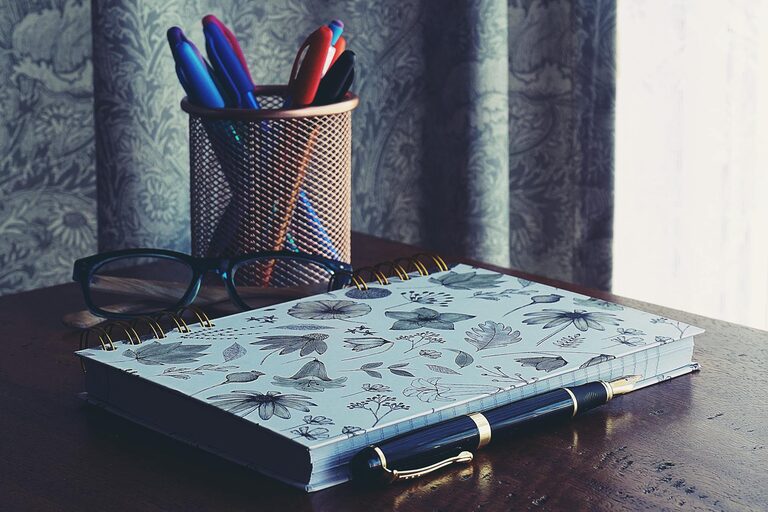
Choosing the right notebook might seem like a small decision, but it can make a big difference in how often you use it and how effective it is for your needs. Whether you want a notebook for journaling, work notes, creative writing, or planning, picking one that suits your style and purpose will encourage you to keep writing and stay organized.
In this post, we’ll explore key factors to consider when choosing a notebook and share helpful tips to find one you’ll love using.
Why Choosing the Right Notebook Matters
Notebooks come in countless shapes, sizes, and designs. Using a notebook that doesn’t fit your preferences or needs can easily lead to frustration or neglect. On the other hand, the perfect notebook invites you to jot down your thoughts, track your tasks, or sketch ideas effortlessly.
Before digging into specific features, think about how you want to use your notebook. Will it be for daily to-do lists? Creative brainstorming? Meeting notes? Your intended use will guide you toward the right format and style.
Key Factors to Consider When Choosing a Notebook
1. Size and Portability
– Pocket-Sized: Small notebooks (around A6 or 3.5 x 5.5 inches) are easy to carry everywhere but may limit space for extensive notes.
– Standard Size: Common sizes like A5 (roughly 5.8 x 8.3 inches) offer a good balance between portability and writing space.
– Large Formats: Larger notebooks allow for more freedom but can be bulky.
Consider where you’ll be using your notebook most often. If you’re on the go, a compact notebook fits better. For desk use, a standard or larger size might be preferable.
2. Paper Quality
Good paper can transform the writing experience.
– Thickness (GSM): Higher GSM numbers mean thicker paper, less bleed-through, and a more luxurious feel. Standard notebooks often have 70-100 GSM.
– Texture and Finish: Smooth paper is great for gel pens and ballpoints, while textured paper suits pencils and ink.
– Bleed-through: If you like using markers or fountain pens, look for paper that resists ink bleed.
3. Binding Type
– Spiral Binding: Allows notebooks to lie flat and makes pages easy to turn or tear out.
– Thread Sewn: Durable and often opens flat, perfect for daily use and longevity.
– Glue Bound: Less durable and may not open flat but often slimmer.
Choose the binding based on how you prefer to handle your notebook and how long you want it to last.
4. Page Layout
– Ruled Lines: Ideal for neat writing, notes, and lists.
– Blank Pages: Perfect for drawing, sketching, or creative layouts.
– Grid/Dot Grid: Versatile for bullet journaling, graphs, or mixed note-taking.
– Pre-Printed Formats: Some notebooks come with planners or goal trackers built in.
Think about your writing habits and which layout helps you stay organized and inspired.
5. Cover Material and Design
This affects both durability and your attachment to the notebook.
– Softcover: Flexible and lightweight but less protective.
– Hardcover: Offers better protection; ideal for carrying around.
– Material Options: Leather, faux leather, fabric, cardboard, or plastic.
– Design: Choose something that reflects your style and motivates you to open your notebook regularly.
6. Additional Features
– Page Numbering: Helps for reference and organization.
– Index or Contents Pages: Useful for finding information quickly.
– Built-in Pockets: Good for storing papers, receipts, or stickers.
– Elastic Closure: Keeps your notebook securely closed.
– Pen Holder: Convenient to always have a pen with your notebook.
These small touches can add a lot to your overall experience.
Tips for Finding a Notebook You’ll Actually Use
Evaluate Your Current Habits
Look at your current or past notebooks. What worked well? What made you stop using them? For example, if you found your notebook too bulky or the pages too small, adjust your choice accordingly.
Test It Out
If possible, visit a store and try writing on sample pages. See how the paper feels with your favorite pen. Check if the size and binding feel comfortable in your hands.
Consider Your Budget
Notebooks range from very affordable to quite pricey. Set a budget but also consider that investing a bit more in a quality notebook might encourage you to write more regularly.
Align Your Notebook with Your Goals
If your aim is to build a habit like journaling, choose a design that excites you and allows enough space for daily entry. For quick notes, a small, simple notebook may be better.
Don’t Be Afraid to Try Different Types
You might need several notebooks for different purposes—one for meetings, another for creative ideas, and a bullet journal for productivity. Focus on using what suits each purpose rather than forcing one notebook to do everything.
Caring For Your Notebook
Once you’ve found the right notebook, treat it well to keep it inviting:
– Store it in a dry, clean place.
– Carry it in a pouch or case if you’re on the move.
– Use bookmarks or tabs to find important pages quickly.
– Keep a pen handy so you’re always ready to write.
Conclusion
Choosing a notebook you’ll actually use involves considering your personal writing habits, the notebook’s size, paper quality, binding, and additional features. Taking a little time to find a notebook that fits your style and needs not only makes writing easier but also more enjoyable.
Remember, the best notebook is one you look forward to opening every day. Happy writing!